Why people consider it
Many chimneys in Carlisle no longer serve anything. Fires were blocked up decades ago, heating moved to a boiler, and the stack has been standing there weathering ever since. When such a stack reaches the point of needing a rebuild, some owners weigh that cost against removing or reducing it instead. That can be a perfectly sensible decision, but it is a bigger change to the building than a repair, and it is not always the cheaper route once making good is included.
Removal or reduction
Reduction means taking the stack down to just below roof level and closing the roof over the opening, so the flues are capped and the roofline is continuous. The chimney breast inside stays where it is. Full removal means taking out the breast as well, floor by floor, which frees up internal space but involves supporting anything the breast was carrying and making good walls, floors and ceilings.
Structural considerations
Chimney breasts sometimes do more than carry themselves. On upper floors, joists and even sections of wall can bear on the breast, so removing it may require support to be designed and installed. Building control involvement is usual for that kind of work, and structural advice may be needed depending on what is found. This is not something to decide from a drawing on the back of a quote.
Shared stacks
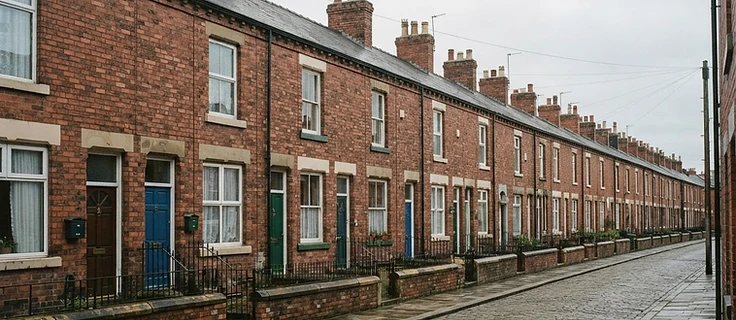
In the older terraced and semi detached streets across Carlisle, a stack frequently straddles a party wall and serves both properties. In that situation removal or reduction affects the neighbouring house, and the neighbour has to be part of the conversation. Party wall procedures may apply. Reducing only your half of a shared stack is rarely a good outcome for either property.
Roof making good
Once the stack is down, the roof has to be closed properly. That means new timbers where the opening was, the underlay and battens continued through, and slates or tiles matched in. On a Cumbrian slate roof, sourcing matching slates matters if the result is not going to look like a patch. The old flashings come out and are not replaced, which removes one common leak point but only if the new work is detailed correctly.
Permissions and designations
What consent is needed depends on the property and the scope of work. Some alterations fall under permitted development, others do not, and listed buildings or properties in a conservation area are treated differently because the stacks often contribute to the character of the street. We cannot give legal or planning advice. The correct step is to check with Cumberland Council's planning and building control services for your specific address before committing to the work.
What affects cost
- Reduction only, or removal of the breast as well
- Height of the stack and the extent of roof making good
- Matching slates or tiles
- Any structural support required internally
- Scaffolding, waste removal and access
- Internal finishing, plastering and decoration
Worth asking first
Before choosing removal, get a clear view of what a rebuild or repair would actually cost, since keeping the stack is often the simpler option and can matter for resale on a period property. Then read before you decide, and tell us about the property when you are ready.